Why recruitment is becoming increasingly technology driven
Recruitment has changed dramatically over the last decade. Hiring teams are managing larger application volumes, operating across multiple channels, and competing for talent in increasingly fast moving markets. As a result, technology has become essential for modern recruitment operations.
Applicant Tracking Systems, AI powered sourcing tools, automated scheduling platforms, and candidate assessment technologies are helping recruiters reduce administrative work and improve efficiency. Many organizations can now process thousands of applications faster than ever before, while maintaining greater visibility across hiring pipelines.
The pressure to move quickly is also growing. Candidates expect faster responses, shorter hiring cycles, and more transparent communication. Companies that rely entirely on manual processes often struggle to meet these expectations, especially during periods of rapid hiring.
Automation can significantly improve operational performance. Resume screening tools can identify relevant profiles more efficiently, scheduling automation reduces coordination delays, and AI powered communication tools help maintain candidate engagement throughout the recruitment process.
However, as recruitment becomes more technology driven, organizations face a growing challenge. Efficiency alone does not create positive candidate experiences. Candidates still expect human interaction, emotional intelligence, and authentic communication during important career decisions.
Many companies have discovered that excessive automation can create a cold and impersonal experience. Candidates may feel ignored when they receive only automated messages or interact exclusively with systems instead of people. In competitive hiring markets, this can negatively affect employer branding and offer acceptance rates.
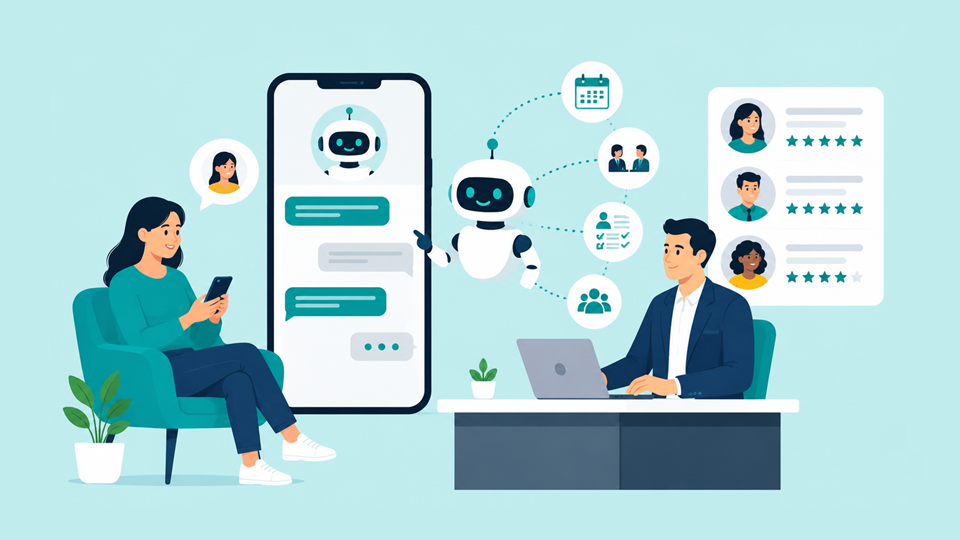
The most effective recruitment strategies are not built around choosing between technology and human interaction. They focus on combining both effectively. Technology should support recruiters by removing repetitive tasks and improving consistency, while empathy and human judgment remain central to relationship building and decision making.
Where technology creates the greatest value in recruitment
Technology delivers the strongest results when it improves operational efficiency without reducing the quality of human interaction. Recruitment teams spend a significant amount of time on repetitive administrative tasks that do not directly contribute to candidate relationships or strategic hiring decisions.
Automated scheduling is one example of a simple but highly effective improvement. Coordinating interviews across recruiters, hiring managers, and candidates often creates delays and frustration. Scheduling tools allow candidates to select available time slots directly, reducing unnecessary communication and accelerating hiring timelines.
Application management is another area where technology provides substantial value. Modern recruitment platforms centralize resumes, interview notes, evaluations, and communication history, helping teams collaborate more effectively. Recruiters gain better visibility into hiring pipelines and reduce the risk of losing qualified candidates due to disorganization.
AI powered sourcing tools can also help organizations identify candidates more efficiently. Instead of manually searching through large databases, recruiters can use intelligent filtering systems to find profiles aligned with specific skills, experience levels, or hiring requirements.
Candidate communication benefits from automation as well. Automated updates, interview reminders, and status notifications help maintain engagement and reduce uncertainty. Candidates generally appreciate timely communication, even when messages are system generated, as long as they remain clear and relevant.
Data and analytics are becoming increasingly important in recruitment operations. Hiring teams can track time to hire, source effectiveness, candidate drop off rates, and interview conversion metrics more accurately. These insights help organizations identify bottlenecks and improve recruitment strategies over time.
Several large organizations already rely heavily on recruitment technology to scale operations. LinkedIn, for example, uses AI extensively for candidate recommendations and talent matching, while many enterprise companies use automation to support global hiring across multiple regions and time zones.
Despite these advantages, technology should not replace human evaluation entirely. Automated systems can identify patterns and improve speed, but they cannot fully assess motivation, interpersonal dynamics, adaptability, or long term cultural contribution.
Why empathy remains essential in the hiring process
Recruitment is not only an operational process. It is also a human experience shaped by emotions, uncertainty, ambition, and career aspirations. Candidates are making decisions that can significantly affect their financial stability, professional growth, and personal lives. Technology alone cannot fully address those emotional dimensions.
Empathy plays a critical role in candidate experience. Candidates want to feel respected, heard, and valued throughout the hiring process. Even highly automated organizations need recruiters and hiring managers who communicate clearly, respond thoughtfully, and build trust during interactions.
One of the most common frustrations candidates report is feeling treated like a number instead of a person. Automated rejection emails without context, delayed responses, or generic communication can damage employer reputation quickly. In contrast, personalized communication often creates a positive impression even when candidates are not selected.
Interview experiences are especially important. Candidates often evaluate organizations based on how interviewers behave, how prepared they are, and whether conversations feel respectful and engaging. Structured interviews improve consistency, but empathy helps create psychological comfort and authentic dialogue.
Human judgment also remains essential when evaluating soft skills and potential. Leadership ability, emotional intelligence, communication style, adaptability, and collaboration are difficult to measure accurately through automation alone. Experienced recruiters and managers provide context that technology cannot fully replicate.
Empathy is equally important during difficult hiring situations. Candidates may face layoffs, career transitions, relocation challenges, or long periods of unemployment. Recruiters who demonstrate understanding and professionalism help create stronger relationships, even in highly competitive hiring environments.
Internal hiring teams also benefit from balancing efficiency with empathy. Hiring managers often experience pressure to fill positions quickly while maintaining quality standards. Technology can reduce administrative workload, allowing recruiters to spend more time advising managers, supporting candidates, and improving hiring decisions.
Companies known for strong candidate experiences often combine operational efficiency with highly personalized communication. Hospitality focused employers, premium brands, and many fast growing technology firms increasingly invest in recruiter training focused on communication, active listening, and relationship management.
Building a balanced recruitment strategy
The strongest recruitment strategies are built around intentional balance. Organizations should identify which parts of recruitment benefit from automation and which require stronger human involvement.
Administrative tasks are generally ideal for automation. Scheduling, status updates, interview coordination, document collection, and workflow management can be streamlined significantly through recruitment software. These improvements reduce delays and create more consistent processes.
Candidate relationship building, however, benefits from direct human interaction. Recruiters should prioritize meaningful conversations during screening calls, interviews, offer discussions, and onboarding stages. Human interaction becomes especially important for senior level hiring, complex roles, and competitive talent markets.
Transparency also contributes to balance. Candidates are generally comfortable interacting with technology when organizations communicate clearly about how automation is being used. Problems usually emerge when candidates feel trapped inside impersonal systems without access to real people.
Bias reduction is another important consideration. Technology can help reduce inconsistency in recruitment through structured workflows and standardized evaluations. However, AI systems trained on biased historical hiring data can unintentionally reinforce existing inequalities. Human oversight remains essential to ensure fairness and accountability.
Organizations should also regularly evaluate candidate feedback. Surveys, candidate experience scores, and interview feedback help identify whether automation is improving efficiency without negatively affecting perception. Recruitment processes should evolve continuously based on these insights.
Training recruiters to work effectively alongside technology is equally important. Modern recruiters increasingly operate as talent advisors instead of purely administrative coordinators. Their value comes from relationship management, strategic evaluation, and communication skills supported by technology.
Several companies have already shifted toward this balanced model successfully. Unilever, for example, introduced AI based assessments and automated screening processes while maintaining strong human involvement during interviews and final decision stages. The result was a faster recruitment process combined with improved candidate engagement.
How technology and empathy together improve long term hiring outcomes
Organizations that successfully balance technology and empathy often achieve stronger hiring outcomes over time. Faster recruitment processes help secure talent more effectively, while positive candidate experiences strengthen employer reputation and improve long term engagement.
Candidates who feel respected during recruitment are more likely to accept offers, recommend the company to others, and remain engaged after hiring. Even rejected candidates can become future applicants, customers, or brand advocates when communication is handled professionally.
Operational consistency also improves significantly when technology supports structured workflows. Recruiters spend less time managing repetitive tasks and more time focusing on strategy, hiring quality, and candidate relationships.
The balance between automation and empathy becomes especially important as organizations scale. Growing companies often experience pressure to hire quickly without sacrificing candidate experience. Recruitment technology helps manage increasing complexity, but human interaction remains essential for preserving trust and authenticity.
Recruitment is ultimately both operational and relational. Companies that focus exclusively on efficiency may reduce hiring costs temporarily but risk damaging employer branding and long term retention. Organizations that rely entirely on manual processes may struggle to scale effectively in competitive markets.
Platforms like Zamdit can help organizations create structured recruitment workflows while maintaining strong candidate communication and personalized hiring experiences. The future of recruitment is not about replacing people with technology. It is about enabling recruiters to spend more time where human interaction creates the greatest value.