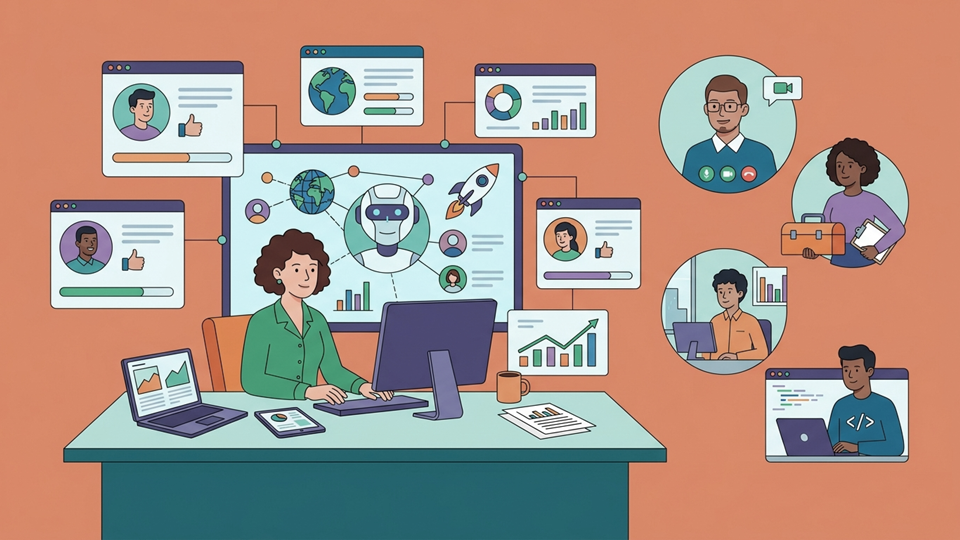
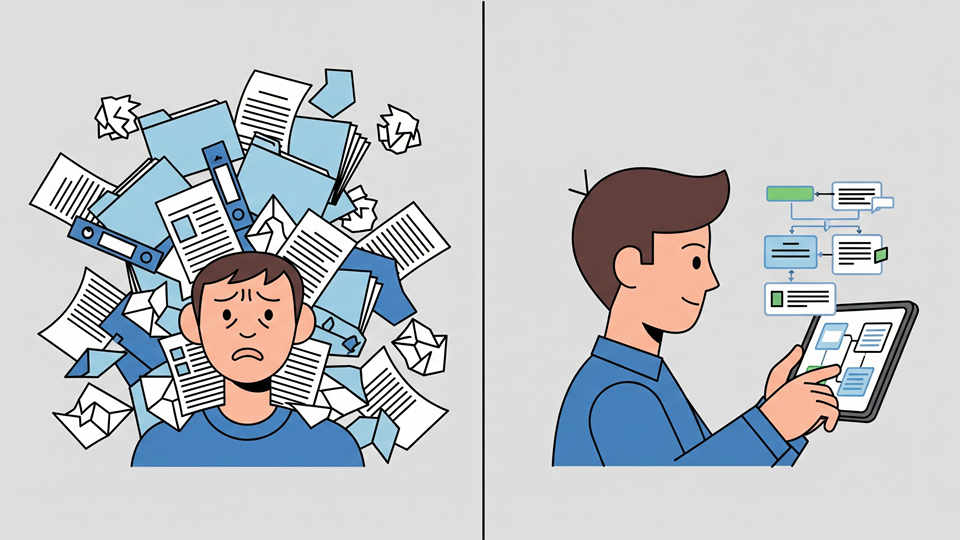
Hiring in 2026 is no longer just about filling open roles. It is about building resilient, adaptable teams in a fast-changing environment shaped by artificial intelligence, remote work, and evolving candidate expectations. Companies that still rely on outdated recruitment methods are already seeing longer hiring cycles, higher costs, and lower retention rates.
Recent industry insights suggest that over 60 percent of companies are integrating some level of automation into their hiring processes. At the same time, candidates expect faster responses, personalized communication, and transparent processes. The gap between what companies offer and what candidates expect continues to widen.
Future-proofing your recruitment strategy means preparing for uncertainty. It means building systems, workflows, and habits that can evolve as technology and the workforce change. This is not about predicting the future perfectly, but about creating a hiring approach that can adapt quickly and consistently.
In this article, we explore the key pillars that define a modern recruitment strategy and provide practical steps you can implement today to stay competitive in 2026 and beyond.
Building a Flexible and Data-Driven Hiring Process
One of the biggest shifts in recruitment is the move from intuition-based decisions to data-driven hiring. While experience and judgment still matter, relying solely on gut feeling is no longer sustainable.
A flexible hiring process starts with clearly defined stages, from sourcing to onboarding, but allows room for iteration. For example, if you notice that candidates consistently drop off after a technical test, that is a signal to review its length or complexity.
Data plays a crucial role here. Metrics such as time to hire, cost per hire, candidate drop-off rates, and offer acceptance rates provide actionable insights. Companies that actively track and analyze these metrics can identify bottlenecks and improve continuously.
For instance, a startup hiring software engineers might discover that their average hiring process takes 45 days, while competitors close candidates in 25 days. By analyzing each stage, they may find that scheduling interviews is the main delay. Introducing automated scheduling tools can reduce friction and improve conversion rates.
Flexibility also means adapting your process to different roles. Hiring for a senior leadership position should not follow the same structure as hiring for an entry-level role. Tailoring your approach improves both efficiency and candidate experience.
Ultimately, a data-driven mindset allows you to make informed decisions, reduce bias, and build a hiring system that evolves with your organization.
Leveraging AI Without Losing the Human Touch
Artificial intelligence has become a cornerstone of modern recruitment. From resume screening to interview scheduling and candidate matching, AI tools can significantly reduce manual workload and improve efficiency.
However, over-reliance on automation can create a cold and impersonal experience. Candidates want to feel valued, not processed. The key is to use AI as an enabler, not a replacement for human interaction.
For example, AI can quickly filter hundreds of applications based on predefined criteria, allowing recruiters to focus on high-potential candidates. Chatbots can answer common questions and provide updates, improving response times. Predictive analytics can help identify candidates who are more likely to succeed in a role.
At the same time, critical moments in the hiring journey should remain human. Interviews, feedback, and offer discussions are opportunities to build trust and communicate your company culture.
A balanced approach could look like this. Use AI to handle repetitive tasks such as screening and scheduling. Then invest recruiter time in meaningful conversations, personalized outreach, and candidate engagement.
Companies that strike this balance tend to see higher candidate satisfaction and stronger employer branding. In a competitive market, this can be a decisive advantage.
Prioritizing Candidate Experience as a Competitive Advantage
Candidate experience is no longer a secondary concern. It is a key differentiator. A poor experience can damage your reputation and discourage top talent from applying in the future.
Consider this scenario. A candidate applies for a role, waits two weeks without any response, and then receives a generic rejection email. Even if your company offers great opportunities, that candidate is unlikely to apply again or recommend your brand.
Improving candidate experience does not require massive investments. Small changes can make a significant difference. Clear communication is one of the most impactful factors. Let candidates know what to expect at each stage, provide timelines, and follow up consistently.
Personalization also plays a crucial role. Address candidates by name, reference their experience, and tailor your communication to the role. This shows respect and attention to detail.
Another important aspect is feedback. While it may not always be possible to provide detailed feedback to every applicant, offering insights to finalists can enhance your brand perception and build goodwill.
According to surveys, candidates who have a positive hiring experience are more likely to accept offers and even become customers or advocates of the company. This highlights the broader impact of recruitment beyond filling roles.
In 2026, companies that treat candidates as partners rather than transactions will stand out in the talent market.
Adapting to Remote and Global Talent Pools
The rise of remote work has expanded the talent pool beyond geographical boundaries. Companies are no longer limited to hiring within commuting distance. This creates both opportunities and challenges.
On one hand, access to global talent allows you to find the best candidates regardless of location. On the other hand, it introduces complexity in terms of time zones, communication, and compliance.
To succeed in this environment, your recruitment strategy must be designed for remote hiring. This includes using digital tools for interviews, assessments, and onboarding. It also requires clear documentation and structured processes to ensure consistency.
For example, a company hiring a distributed team might implement asynchronous interview stages, where candidates record video responses to predefined questions. This allows flexibility for both candidates and hiring teams.
Cultural alignment becomes even more important in remote settings. Without physical interaction, values and communication styles play a bigger role in team cohesion. Incorporating behavioral assessments and structured interviews can help evaluate these aspects.
Additionally, companies must be aware of legal and logistical considerations when hiring internationally. This includes employment laws, tax implications, and payroll management.
Organizations that embrace remote hiring effectively can build diverse, high-performing teams and gain a significant competitive edge.
Turning Strategy into Action
Future-proofing your recruitment strategy is not a one-time effort. It is an ongoing process of learning, adapting, and improving. The companies that succeed in 2026 will be those that combine technology, data, and human insight to create efficient and engaging hiring experiences.
Start by evaluating your current process. Identify bottlenecks, gather feedback from candidates and hiring managers, and define clear metrics for success. Then implement incremental changes, measure results, and iterate.
Tools and platforms can play a significant role in this transformation. Solutions like Zamdit help streamline hiring workflows, centralize candidate data, and improve collaboration across teams. By leveraging the right technology, you can build a recruitment system that is both scalable and adaptable.
The future of hiring is already here. The question is whether your strategy is ready for it. Taking action today will not only improve your current hiring outcomes but also position your organization for long-term success.