The impact of continuous learning on modern teams
Many companies are discovering that continuous learning programs can improve their ability to retain talent and strengthen daily performance. These programs help teams stay aligned with industry changes, adopt new tools, and develop a growth oriented culture. When learning becomes part of the work routine, employees feel valued and engaged, which has a direct influence on retention. A structured plan also reduces skill gaps and improves productivity because individuals can adapt to new challenges with confidence. The need for ongoing development has grown rapidly due to technology advances, new work environments, and the expectation that employees must handle varied responsibilities. Continuous learning has become one of the most reliable methods to keep teams motivated and ready to meet evolving goals.
Why continuous learning programs matter for retention
The connection between learning and loyalty
Employees often stay longer in companies that invest in their growth. Studies from industry surveys show that workers who have access to regular development opportunities are far more likely to remain with their employer for several years. This happens because learning creates purpose and clarity, two factors that reduce turnover. When someone knows that their skills are improving, they feel their career is progressing. As a result, the risk of attrition declines. A company can save significant time and cost by lowering turnover, which often includes expenses linked to hiring, onboarding, and productivity loss.
Examples of what keeps employees engaged
Practical and accessible training formats raise engagement levels. Live workshops, micro lessons, mentoring sessions, and internal knowledge exchanges can help build loyalty. For example, a small tech team that receives monthly training on new frameworks often reports higher job satisfaction because they feel prepared for future tasks. A customer support department that obtains regular communication training can improve problem solving abilities, which creates a sense of accomplishment. These examples highlight that learning is not only a tool for skill building but also a factor that influences emotional connection to the company.
How learning supports career vision
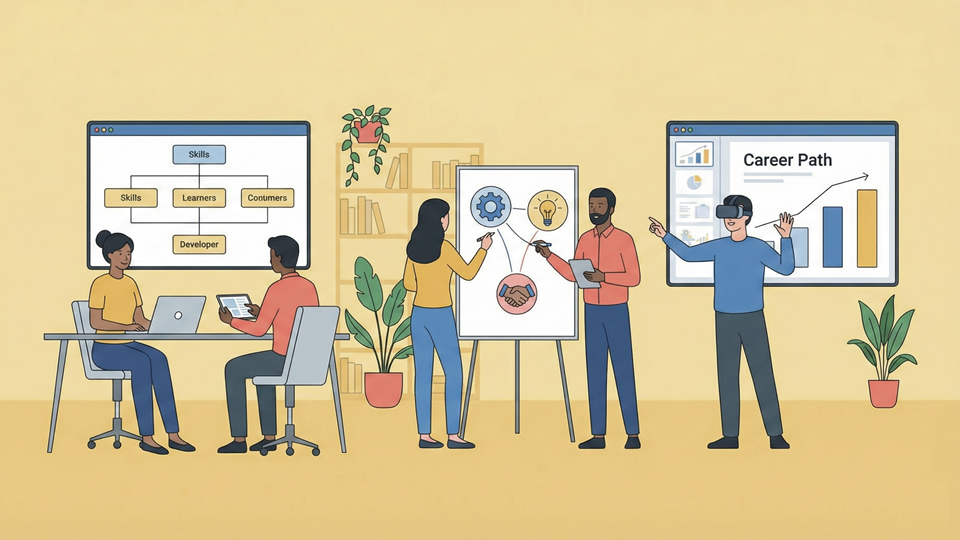
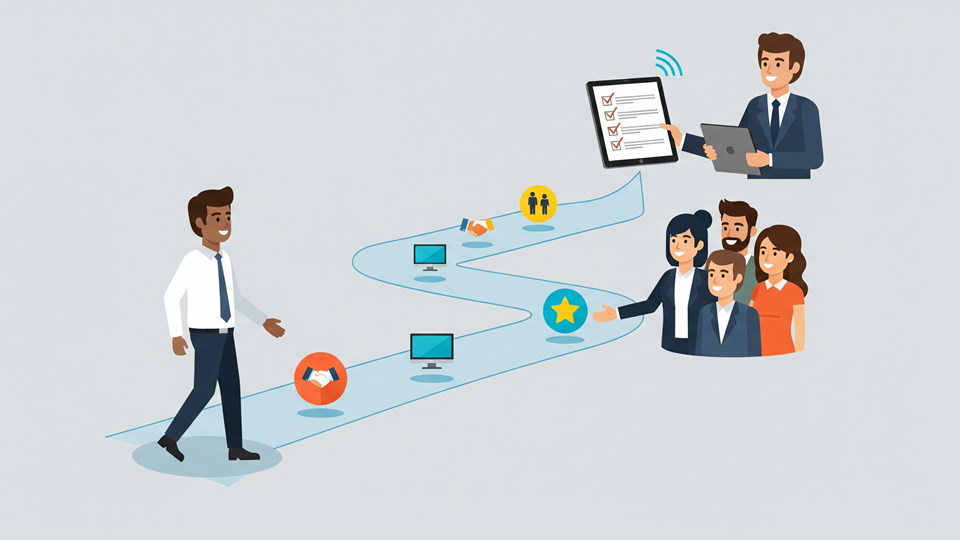
Many employees leave their positions because they do not see a long term future inside the organization. Continuous learning solves this by giving people the ability to plan their growth. Clear development paths help individuals understand how to move from their current level to a more advanced one. This reduces uncertainty and helps them focus on improving specific skills. A company that supports internal mobility can use continuous learning to prepare employees for new roles. This approach enhances retention because people feel their future is within the company rather than outside it.
The influence of continuous learning on team performance
Reducing skill gaps
Skill gaps slow down team productivity, create errors, and reduce quality. Continuous learning programs help reduce those gaps by ensuring that employees keep pace with role expectations. For example, a marketing team that frequently updates its knowledge of analytics tools can make better decisions during campaigns. A sales team that receives updated negotiation training can improve closing rates. By minimizing skill gaps, companies create more reliable and efficient teams.
Boosting collaboration and internal knowledge sharing
Learning programs often require group activities that promote communication. Group workshops help participants understand how others think and how problems can be solved from different perspectives. This builds trust and supports teamwork. Teams that share knowledge also avoid bottlenecks because information does not depend on one person. When knowledge flows smoothly, projects move faster. A shared learning space or internal wiki can help teams store useful content that supports their daily tasks.
Encouraging adaptability and innovation
Companies that want to innovate need employees who can adapt. Continuous learning improves adaptability by exposing individuals to new ideas and encouraging experimentation. When employees learn about updated practices, new market trends, or improved tools, they become more willing to try new approaches. An adaptable team can respond faster to market changes and propose creative solutions to challenges. This is especially helpful for companies in competitive industries, where innovation is a requirement for long term success.
Types of continuous learning programs that work
Micro learning for speed and flexibility
Short lessons can be more effective than long sessions because employees can apply the content immediately. Micro learning is useful for daily improvement and reduces cognitive overload. A ten minute lesson about a new feature in a software platform can help a team adopt the tool faster. Micro learning can also be combined with quizzes to reinforce memory and measure progress.
Mentoring and peer learning
Mentoring programs help less experienced employees learn from senior colleagues. These sessions encourage conversation, feedback, and real examples. Peer learning is also effective because coworkers often face similar challenges and can share solutions. Some companies create internal clubs where people meet weekly to discuss topics such as data tools, leadership skills, or communication strategies. These groups create a sense of community that strengthens culture and improves retention.
Role specific development paths
Employees perform better when they have clear learning goals. Creating development paths for each role helps teams understand what skills they must master. For example, a support analyst path might include training in customer communication, software troubleshooting, and knowledge base management. A manager path might include leadership training, analytical thinking, and project management. These paths give direction and reduce frustration.
Blended learning models
Blended learning uses several formats such as online courses, workshops, team challenges, and self paced modules. This model is effective because it adapts to different learning styles. Employees who prefer reading can use written material, while those who learn through practice can join live sessions. Blended learning increases participation and reduces drop off rates.
How to build a successful continuous learning culture
Create leadership support
Continuous learning programs require leaders who support development. Managers must allocate time for training and encourage participation. A team will not adopt learning habits if leadership treats training as optional. Leaders can also participate in sessions to demonstrate commitment.
Reward learning progress
Recognition encourages people to stay engaged. Companies can implement badges, certificates, or internal shout outs to reward participation. These elements help create positive momentum. Progress can also be linked to performance evaluations to highlight its importance.
Use measurable outcomes
Tracking progress is essential. Metrics such as training completion, skill improvements, reduced error rates, or faster delivery timelines can show whether the program is working. Clear metrics allow companies to refine their approach and maximize impact.
Make learning accessible
Employees should be able to access content easily. Tools that centralize resources, such as an internal learning platform, reduce friction. Mobile friendly options help teams learn while traveling or during short breaks. Simplicity improves adoption.
Conclusion: continuous learning strengthens retention and performance
Continuous learning programs create a workplace where employees feel valued, skilled, and engaged. This improves loyalty, productivity, and collaboration. A company that invests in learning builds strong teams capable of adapting to market changes and delivering consistent results. For organizations that want to manage learning effectively, a platform like Zamdit can support development processes that align hiring with long term team growth.