Why onboarding technology has become a business priority
Employee onboarding has evolved from a simple administrative process into a strategic business function. Organizations are increasingly judged by how quickly new hires become productive, how effectively they connect with colleagues, and how confident they feel during their first weeks. In competitive hiring markets, the onboarding experience can influence retention, engagement, and employer reputation long before an employee reaches full productivity.
Modern organizations rely on digital onboarding tools to remove friction from the process. Instead of sending spreadsheets, email chains, and disconnected documents, companies can centralize information, automate repetitive tasks, and provide a structured experience from offer acceptance through the first months of employment. This approach helps HR teams reduce manual work while ensuring consistency across departments, locations, and hiring cycles.
Research from multiple workforce studies consistently shows that employees who experience structured onboarding are more likely to remain with their employer and achieve productivity milestones faster. While onboarding technology alone is not responsible for these outcomes, it creates the foundation for a more organized and scalable employee experience.
Core components of a modern onboarding toolkit
A successful onboarding toolkit combines several digital solutions that work together. The objective is not to adopt the largest number of tools, but to create a connected workflow that supports both employees and internal teams.
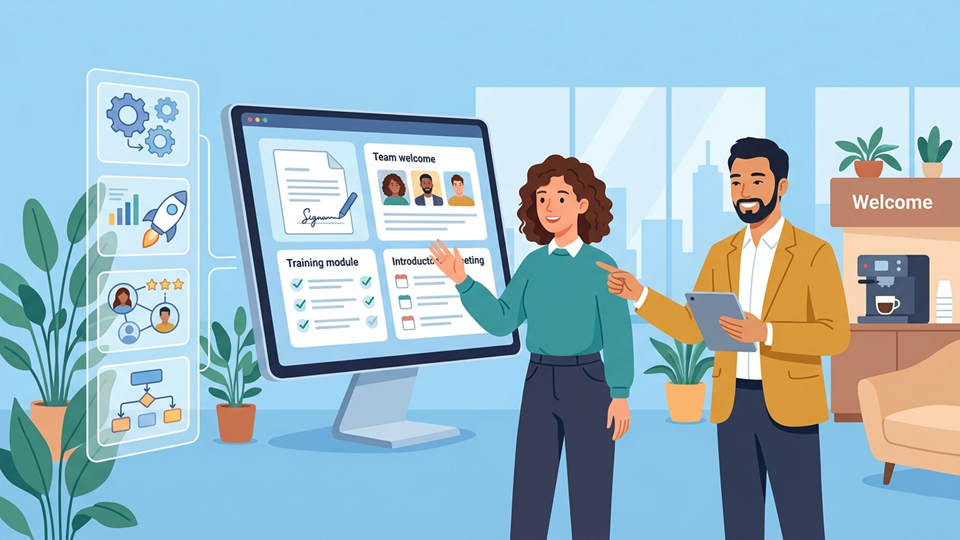
At the center is usually an HR platform that stores employee records, manages documentation, and tracks onboarding progress. New hires can complete forms electronically, review company policies, and access essential information before their first day. Digital document management eliminates printing, scanning, and manual filing, reducing delays and administrative errors.
Task management systems also play a significant role. Managers can create onboarding checklists that automatically assign responsibilities to HR, IT, finance, and department leaders. For example, a new sales representative may require laptop provisioning, CRM access, security credentials, training sessions, and introductions to key stakeholders. Automated workflows ensure that every step is completed on time.
Learning management systems provide another important layer. Instead of relying exclusively on live presentations, organizations can offer structured learning paths that employees complete at their own pace. Videos, interactive modules, knowledge assessments, and role-specific resources help new hires absorb information gradually without overwhelming them during their first week.
Communication platforms have also become essential. Messaging tools, video conferencing solutions, and employee directories enable immediate collaboration. This is particularly valuable for remote and hybrid teams where informal office interactions are limited. Digital communication channels help new employees build relationships and locate the information they need more efficiently.
Creating a consistent experience across remote and hybrid teams
The growth of remote and hybrid work has increased the importance of digital onboarding solutions. In traditional office environments, employees could learn through observation and spontaneous conversations. Distributed teams require a more intentional approach.
A modern onboarding toolkit provides visibility into expectations, milestones, and responsibilities from day one. New employees can access welcome materials, organizational charts, company values, and team introductions regardless of location. This consistency helps create a shared experience across the workforce.
Many organizations now use onboarding portals that act as a central hub. Employees can review schedules, complete required actions, access training materials, and track progress from a single location. This reduces confusion and minimizes the risk of important information being lost in email threads.
Virtual mentoring programs have also become increasingly popular. Pairing new hires with experienced employees encourages faster integration and provides a trusted source of guidance. Digital scheduling and collaboration tools make these relationships easier to manage, even when participants are located in different countries or time zones.
Another valuable practice is the use of automated milestone check-ins. Surveys distributed after the first week, first month, and first quarter allow organizations to identify concerns before they become retention risks. Managers gain actionable feedback while employees feel that their experience is being actively monitored and improved.
Automation opportunities that deliver measurable value
One of the strongest arguments for investing in onboarding technology is operational efficiency. HR teams often spend significant time performing repetitive administrative tasks that can be automated.
Document collection is a common example. Digital workflows can request contracts, tax forms, identification documents, and policy acknowledgments automatically. Reminders can be triggered when information is missing, reducing manual follow-up.
System provisioning is another area where automation creates value. When a new employee is hired, workflows can notify IT teams, create user accounts, assign software licenses, and generate equipment requests. This reduces delays and helps employees begin productive work sooner.
Training assignments can also be automated based on department, role, location, or seniority level. Rather than manually enrolling employees in courses, organizations can ensure that required learning content is delivered consistently and tracked accurately.
Analytics further enhance decision-making. Companies can measure onboarding completion rates, training participation, time-to-productivity metrics, and employee satisfaction indicators. These insights help leaders identify bottlenecks and improve onboarding programs over time.
For example, if data reveals that employees in a specific department consistently require additional support during their first month, managers can introduce targeted training or mentoring initiatives. Small adjustments informed by data often generate meaningful improvements in employee performance and engagement.
Building an onboarding ecosystem that scales with growth
As organizations grow, onboarding complexity increases. Hiring ten employees per year is fundamentally different from hiring hundreds across multiple departments and regions. Scalable onboarding requires standardized processes supported by flexible technology.
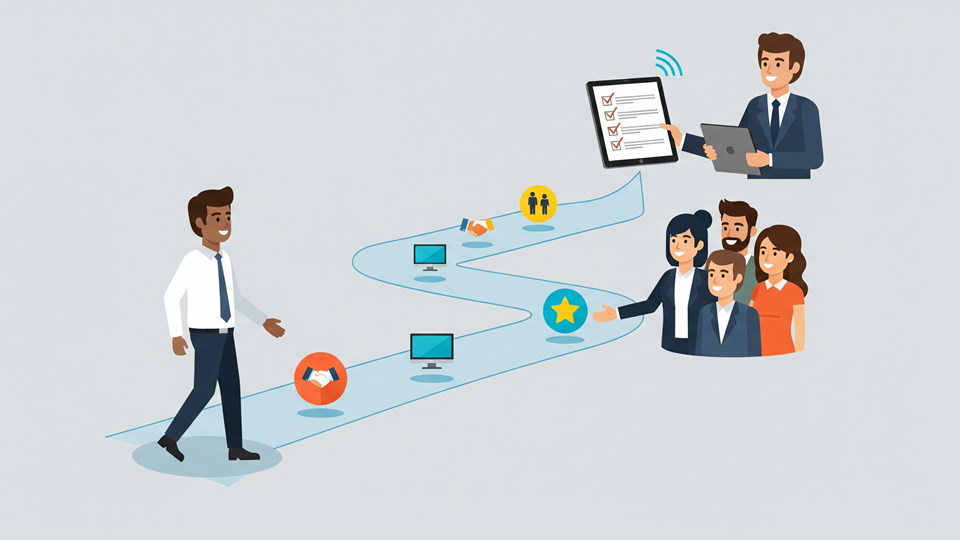
Organizations should begin by mapping the employee journey from offer acceptance to full integration. This exercise helps identify repetitive tasks, communication gaps, and opportunities for automation. Technology should then be selected based on business requirements rather than trends.
Integration capabilities are particularly important. HR systems, communication platforms, identity management solutions, learning tools, and productivity software should exchange information whenever possible. Connected systems reduce duplicate data entry and create a smoother experience for both administrators and employees.
Security and compliance must also remain priorities. Employee data often includes sensitive personal information. Organizations should evaluate access controls, audit capabilities, encryption standards, and regulatory compliance requirements when selecting onboarding solutions.
The most effective onboarding programs combine technology with human interaction. Digital tools streamline processes, but relationships, mentorship, and manager engagement remain essential. The goal is not to replace people, but to remove administrative barriers so employees can focus on meaningful work and professional connections.
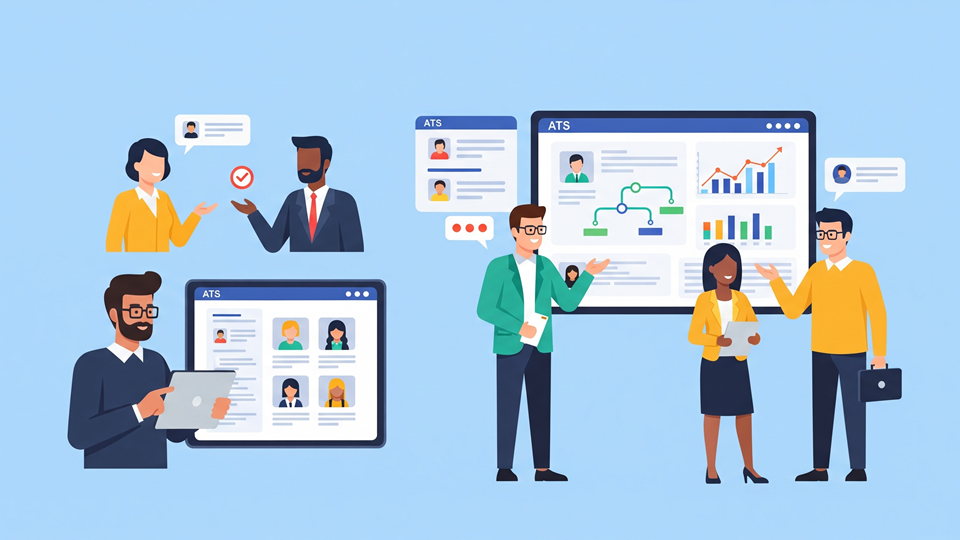
For organizations looking to improve hiring and onboarding outcomes, platforms such as Zamdit can support a more structured transition from candidate to employee. By connecting recruitment processes with onboarding workflows, businesses can create a seamless experience that supports productivity, engagement, and long-term retention.