Introduction
Soft skills such as communication, teamwork, and problem-solving are increasingly critical for success in any role. Behavioral interviews are a proven method to assess these skills by exploring how candidates have handled situations in the past. This post will guide you through crafting questions, evaluating responses, and gaining actionable insights into a candidate’s abilities.
Why Behavioral Interviews Work
Behavioral interviews operate on the premise that past behavior predicts future performance. According to the Society for Human Resource Management (SHRM), organizations using behavioral interviews report 20% higher employee performance metrics and better team fit. Unlike traditional interviews that focus on technical knowledge, behavioral questions reveal problem-solving approach, adaptability, and interpersonal skills.
Step 1: Identify Key Soft Skills
Start by mapping the role’s requirements to essential soft skills. For example, a project manager may need conflict resolution, leadership, and time management. Make a list of core competencies you want to assess before designing your questions.
Step 2: Craft STAR-Based Questions
Use the STAR method (Situation, Task, Action, Result) to frame questions that elicit detailed responses. Examples include:
- "Tell me about a time you had to resolve a conflict within a team."
- "Describe a situation where you had to adapt to a major change at work."
- "Give an example of a project where you took the lead and the outcome was successful."
Step 3: Evaluate Responses Objectively
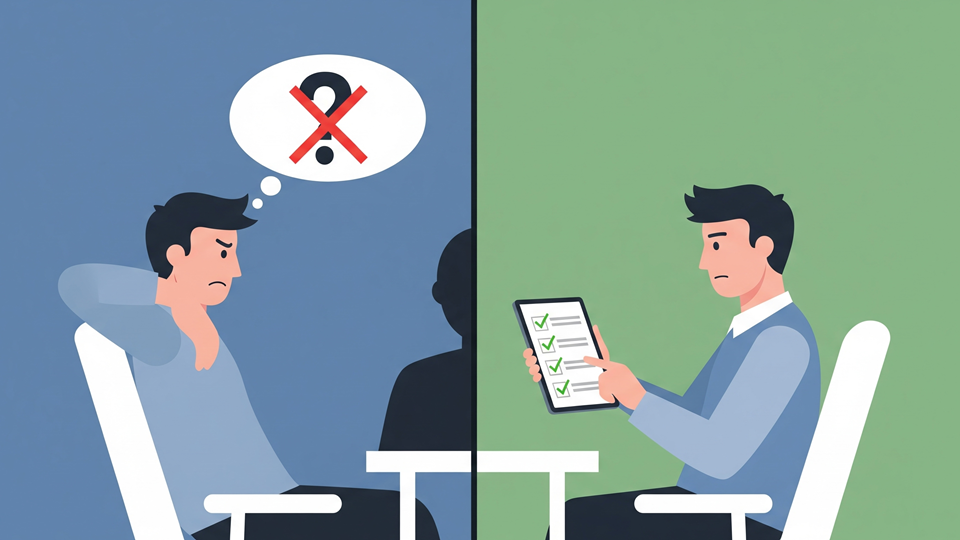
Assess answers based on clarity, relevance, and demonstrated behavior. Look for specific actions, measurable outcomes, and problem-solving strategies. Avoid letting first impressions or personal biases overly influence scoring.
Step 4: Probe with Follow-Up Questions
Encourage candidates to elaborate by asking for context or details. For instance, "What obstacles did you face and how did you overcome them?" or "What would you do differently next time?" Follow-ups provide deeper insights into decision-making and thought processes.
Step 5: Combine with Role-Specific Assessments
Behavioral interviews should complement technical or task-based assessments. For example, after discussing teamwork scenarios, you might include a collaborative exercise to observe communication skills in real time. This combination improves predictive accuracy of future performance.
Best Practices
- Prepare questions in advance to ensure consistency across candidates.
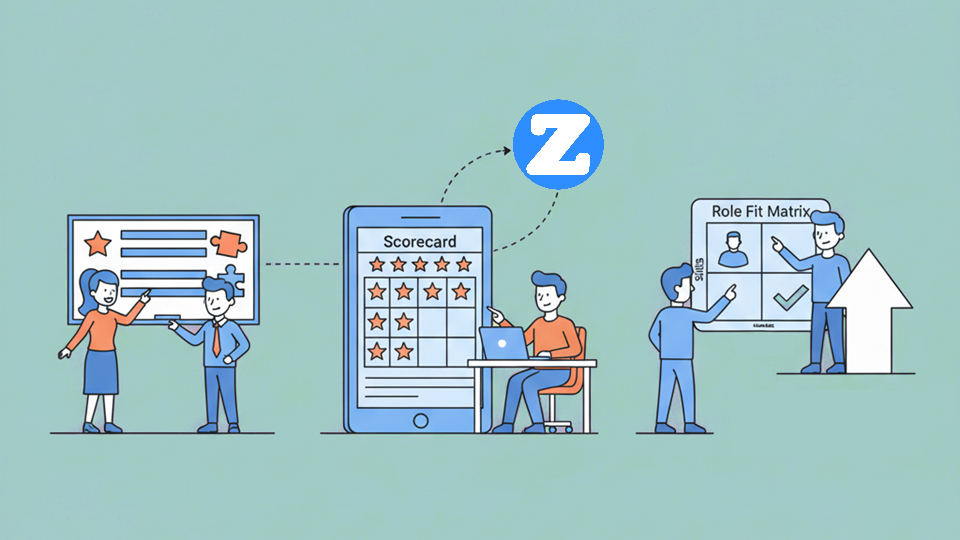
- Score responses using a standardized rubric to reduce bias.
- Document examples thoroughly for reference in hiring decisions.
- Encourage a conversational tone to make candidates comfortable.
Conclusion
Behavioral interview questions are a powerful tool to assess soft skills effectively. By identifying key competencies, crafting STAR-based questions, evaluating responses objectively, and supplementing with practical assessments, recruiters can make informed hiring decisions that strengthen team dynamics and long-term performance.