Introduction
Interviews are a critical stage of the hiring process, but even experienced recruiters and hiring managers can make mistakes that impact candidate evaluation. Avoiding common pitfalls ensures a fair, efficient, and effective selection process, helping your organization attract and retain top talent.
Mistake 1: Lack of Preparation
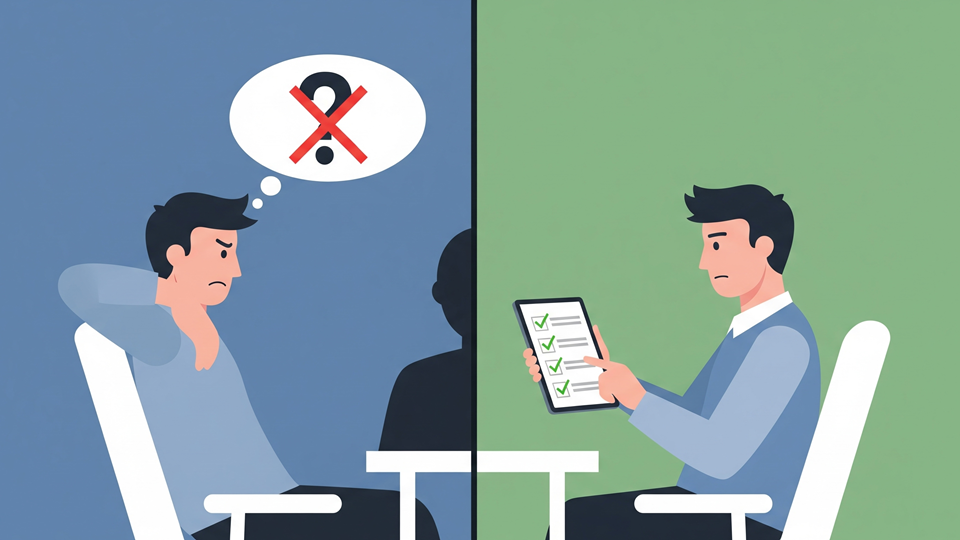
Going into an interview without reviewing the candidate’s resume or understanding the role can result in irrelevant questions and missed insights. Always review applications in advance, outline key competencies to evaluate, and prepare a structured set of questions.
Mistake 2: Overemphasis on First Impressions
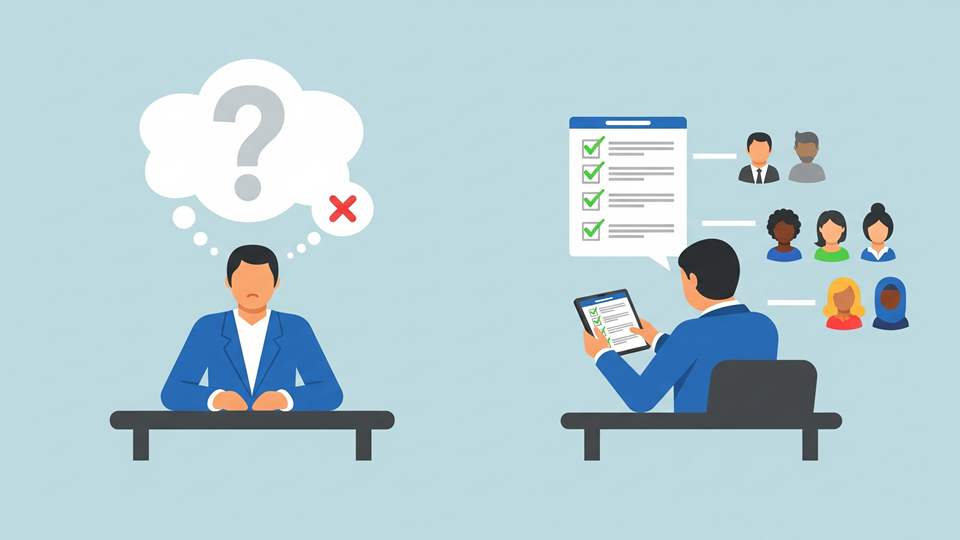
While initial impressions matter, over-relying on them can lead to bias. Avoid making snap judgments based on appearance, tone, or personal likability. Use objective criteria and standardized scoring to assess each candidate fairly.
Mistake 3: Talking Too Much
Some interviewers dominate conversations, leaving little time for candidates to speak. Remember, the purpose of an interview is to learn about the candidate. Limit your speaking to relevant questions, guidance, and clarifications.
Mistake 4: Failing to Probe
Accepting short or vague answers can prevent you from understanding a candidate’s true capabilities. Ask follow-up questions, request examples, and clarify reasoning. Techniques like the STAR method help candidates provide structured, insightful responses.
Mistake 5: Ignoring Cultural Fit and Soft Skills
Focusing only on technical skills can lead to hires who struggle in team dynamics or communication. Assess cultural fit, collaboration, and problem-solving abilities alongside technical expertise. Behavioral and situational questions are effective tools for this purpose.
Mistake 6: Inconsistent Evaluation
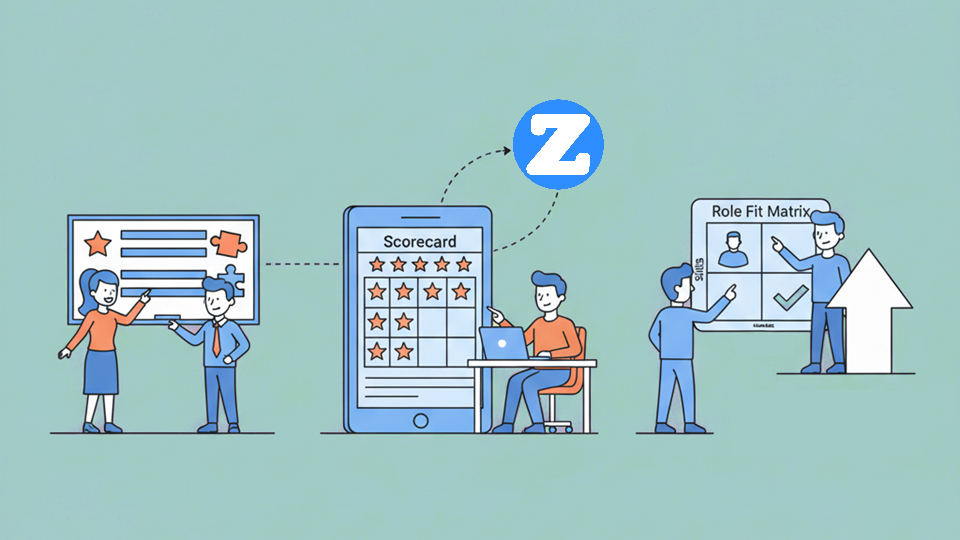
Using different questions or evaluation criteria for each candidate makes comparison difficult. Standardize the interview process with consistent questions, scoring rubrics, and documentation. This approach reduces bias and improves decision-making quality.
Mistake 7: Neglecting Feedback and Follow-Up
Failing to provide timely feedback or follow-up communications can damage employer brand and candidate experience. Set clear timelines for decisions, communicate promptly, and offer constructive feedback when possible.
Best Practices to Avoid Interview Mistakes
- Train interviewers on bias awareness and structured interviewing techniques.
- Use a mix of behavioral and technical questions to assess overall fit.
- Document all observations for transparency and consistency.
- Encourage a professional yet welcoming interview environment.
Conclusion
By recognizing and avoiding common interview mistakes, organizations can enhance candidate evaluation, improve hiring outcomes, and strengthen employer reputation. Preparation, objective assessment, consistent processes, and focus on both skills and cultural fit ensure interviews are fair, effective, and aligned with long-term organizational goals.