Introduction
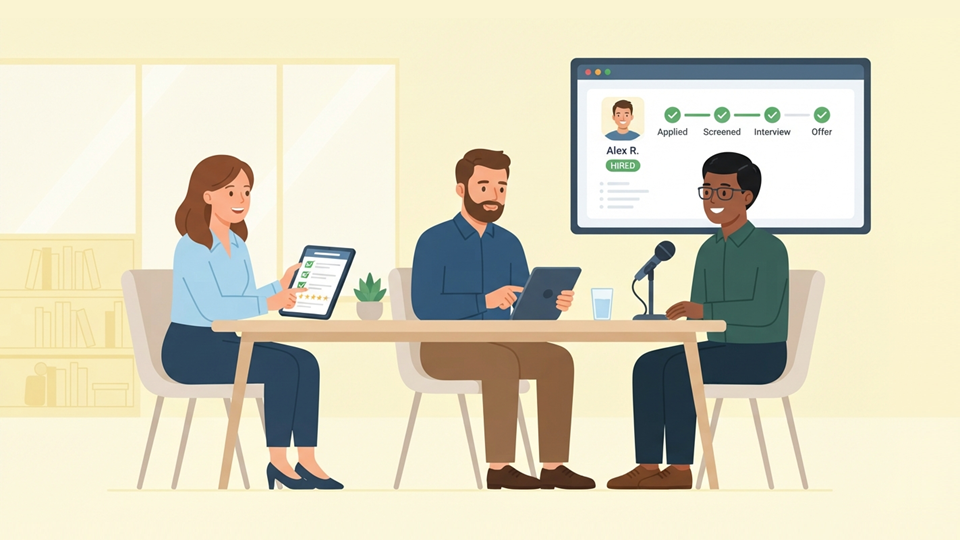
Virtual interviews are now a standard part of the hiring process, especially for companies embracing remote and hybrid work. While they offer flexibility and access to a wider talent pool, they also introduce new challenges: how do you create a genuine human connection through a screen? This article explores best practices to help hiring managers and recruiters conduct online interviews that are structured, professional, and personable.
Why Human Connection Matters in Virtual Interviews
Research shows that candidates who feel engaged during interviews are 40% more likely to accept an offer. In virtual settings, distractions, technical issues, and lack of body language cues can make candidates feel detached. Building rapport is essential to convey company culture and evaluate candidate fit effectively.
Preparation is Key
Test Technology in Advance
Always test your video conferencing platform, microphone, and camera before the interview. A stable internet connection ensures professionalism and avoids unnecessary delays.
Create a Professional Environment
Set up in a quiet, well-lit space. Encourage candidates to do the same by providing instructions in advance. A neutral background or virtual office background helps minimize distractions.
Structuring the Interview
Start with a Warm Welcome
Begin with small talk, such as asking about the candidate’s day or location. These simple gestures reduce tension and establish rapport.
Outline the Agenda
Clearly explain the structure of the interview: introductions, questions, assessment exercises, and time for candidate questions. This helps set expectations and reduces uncertainty.
Use Consistent Questions
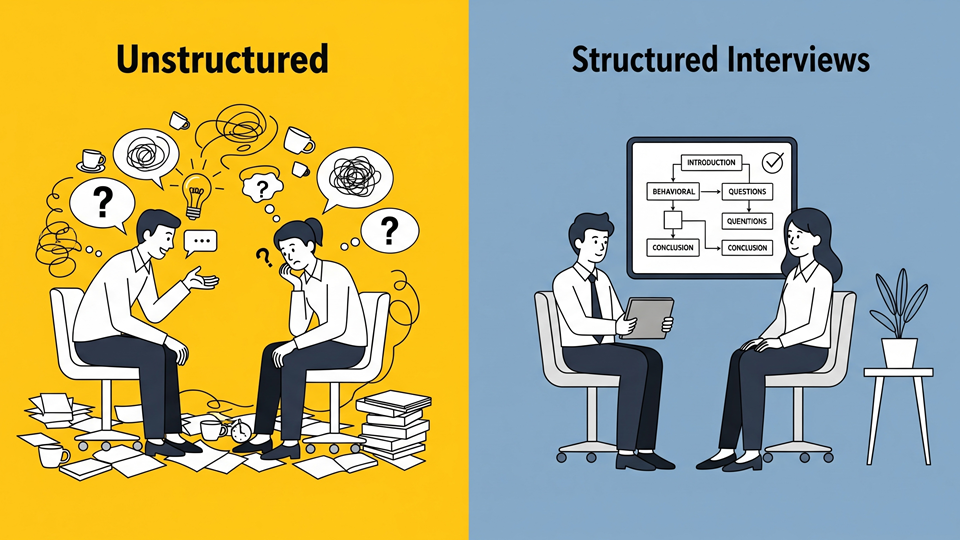
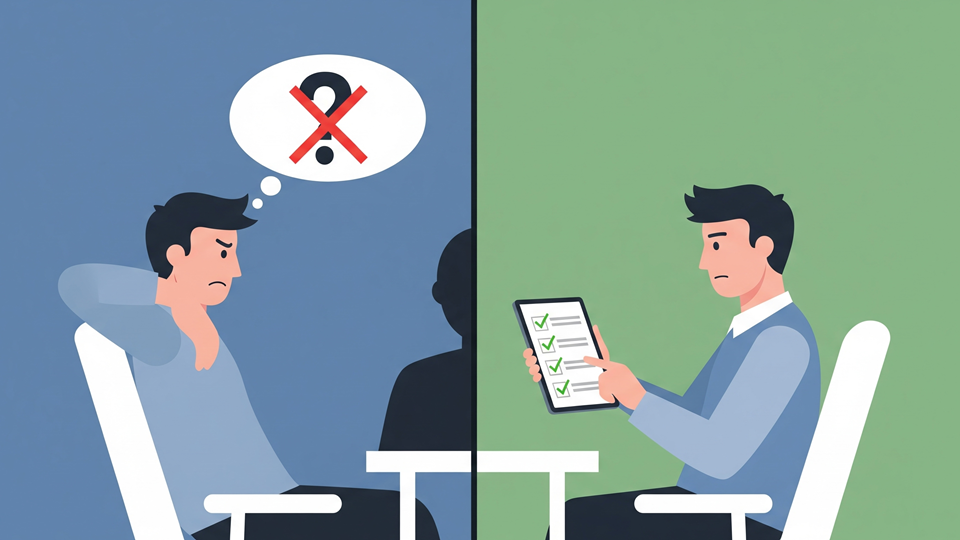
Structured interviews, where all candidates are asked the same core questions, reduce bias and ensure fairness. For example, instead of asking vague questions like “Tell me about yourself,” use role-specific prompts such as “Describe a time you managed competing priorities under tight deadlines.”
Building Human Connection Online
Make Eye Contact Through the Camera
While it feels unnatural, looking into the camera simulates eye contact and conveys attentiveness. Candidates notice when interviewers are distracted or multitasking.
Practice Active Listening
Nod, smile, and use verbal affirmations like “That’s a great example” to show engagement. Avoid interrupting unless necessary.
Balance Professionalism with Personality
Share brief insights about the team or company culture to humanize the conversation. Candidates want to envision themselves as part of your organization.
Overcoming Virtual Interview Challenges
Handling Technical Glitches
Have a backup plan, such as switching to a phone call if video fails. Reassure candidates that technical issues are normal and not a reflection on their performance.
Dealing with Distractions
If interruptions occur (like background noise), address them calmly and continue. A flexible and understanding attitude sets the tone for a positive experience.
Post-Interview Best Practices
Provide Timely Feedback
Follow up within a few days to maintain momentum and demonstrate respect for the candidate’s time. Clear communication enhances your employer brand.
Encourage Candidate Feedback
Ask candidates to share their experience of the virtual interview process. This input can highlight areas for improvement and strengthen future interactions.
Conclusion
Virtual interviews are more than just a hiring necessity—they are an opportunity to build strong connections with top talent worldwide. By preparing thoroughly, structuring the conversation, and practicing empathy, recruiters can transform online interviews into meaningful interactions that leave candidates with a lasting positive impression.